Dal debutto storico contro l'Austria nel 1990, vinto in Svezia per mancanza di un campo in erba, alle vittorie sulla Grecia
0Partecipazioni ai Mondiali
0Partecipazioni agli EuropeiMai qualificata
291Partitedal 12 luglio 1972
100Presenze recordJóan Símun Edmundsson
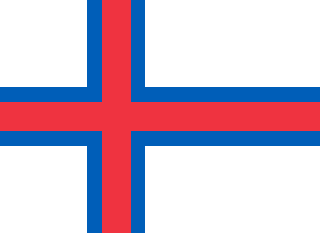
Le Isole Faroe entrano nella FIFA nel 1988 e nell’UEFA nel 1990, e giocano la loro prima partita contro il Canada a Tórshavn, vincendo 1-0. Il debutto nelle qualificazioni agli Europei, il 12 settembre 1990, diventa una delle sorprese più famose della storia del calcio: a Landskrona, in Svezia, perché sulle isole non c’è ancora un campo in erba, le Faroe battono l’Austria 1-0 con un gol di Torkil Nielsen.
Per anni le partite casalinghe si alternano tra Tórsvøllur e Svangaskarð, mentre la squadra, formata in gran parte da dilettanti, raccoglie sconfitte e qualche pareggio di prestigio, come il 2-2 contro la Scozia nel 2002.
Il salto di qualità arriva nelle qualificazioni agli Europei del 2016: le Faroe battono la Grecia due volte, 1-0 al Pireo nel novembre 2014 e 2-1 a Tórshavn nel giugno 2015, e risalgono di oltre cento posizioni nel ranking FIFA.
In Nations League le Isole Faroe vincono il loro girone di Lega D nel 2020-21 e salgono in Lega C. Nell’ultima partita dell’edizione 2022-23 battono la Turchia 2-1.
Nelle qualificazioni ai Mondiali del 2026 raccolgono dodici punti, con il 4-0 al Montenegro, e restano in corsa per i playoff fino all’ultima partita, persa contro la Croazia.
Jóan Símun Edmundsson, in Nazionale dal 2009, è il primo giocatore delle Faroe a raggiungere le cento presenze, davanti al centrocampista Fróði Benjaminsen.
Contains information related to marketing campaigns of the user. These are shared with Google AdWords / Google Ads when the Google Ads and Google Analytics accounts are linked together.
90 days
__utma
ID used to identify users and sessions
2 years after last activity
__utmt
Used to monitor number of Google Analytics server requests
10 minutes
__utmb
Used to distinguish new sessions and visits. This cookie is set when the GA.js javascript library is loaded and there is no existing __utmb cookie. The cookie is updated every time data is sent to the Google Analytics server.
30 minutes after last activity
__utmc
Used only with old Urchin versions of Google Analytics and not with GA.js. Was used to distinguish between new sessions and visits at the end of a session.
End of session (browser)
__utmz
Contains information about the traffic source or campaign that directed user to the website. The cookie is set when the GA.js javascript is loaded and updated when data is sent to the Google Anaytics server
6 months after last activity
__utmv
Contains custom information set by the web developer via the _setCustomVar method in Google Analytics. This cookie is updated every time new data is sent to the Google Analytics server.
2 years after last activity
__utmx
Used to determine whether a user is included in an A / B or Multivariate test.
18 months
_ga
ID used to identify users
2 years
_gali
Used by Google Analytics to determine which links on a page are being clicked
30 seconds
_ga_
ID used to identify users
2 years
_gid
ID used to identify users for 24 hours after last activity
24 hours
_gat
Used to monitor number of Google Analytics server requests when using Google Tag Manager
 Nazionali · Scheda squadra